Introduction to Human Resource Management
1.1 Introduction to Human Resource Management
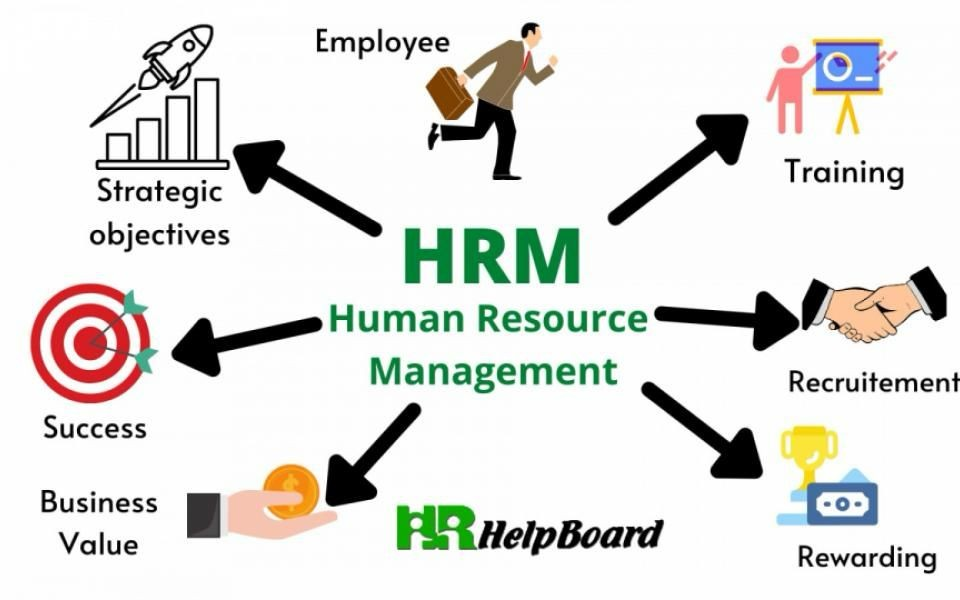
Walk into any successful organization, and you will see technology, buildings, machines, and products. However, none of these resources would function without people. Employees design products, operate machines, serve customers, manage finances, and make strategic decisions. This is why many business experts say that people are the most valuable asset of any organization.
Managing these people effectively is the role of Human Resource Management (HRM).
Human Resource Management refers to the process of recruiting, selecting, training, developing, and managing employees so that organizational goals can be achieved efficiently and effectively. HRM focuses on ensuring that the organization has the right number of employees, with the right skills, working in the right roles.
In the past, HR departments mainly handled administrative tasks such as payroll and hiring. Today, HRM has become a strategic function that contributes directly to the success of a business. HR managers work closely with senior leadership to develop policies that improve productivity, motivation, and employee satisfaction.
For example, imagine a large international airline. Thousands of employees work as pilots, engineers, flight attendants, customer service staff, and managers. If these employees are not properly trained, scheduled, or motivated, the airline could face serious problems such as delayed flights, safety issues, and unhappy customers.
Therefore, HRM ensures that employees are recruited carefully, trained properly, and supported throughout their careers.
Objectives of Human Resource Management
HRM has several important objectives that support both the organization and its employees.
- Achieving Organizational Goals: Employees must work together to achieve business objectives such as profit, growth, and customer satisfaction. HRM ensures that employees understand their roles and responsibilities.
- Efficient Use of Human Resources: Organizations must use their workforce efficiently by assigning employees to roles that match their skills and abilities.
- Employee Development: Continuous training and development help employees improve their knowledge and skills. This allows them to adapt to technological changes and industry developments.
- Improving Employee Motivation: Motivated employees are more productive, creative, and committed to their work. HR policies such as rewards, promotions, and recognition help maintain motivation.
- Maintaining Positive Workplace Relationships: Healthy relationships between employees and management reduce conflict and improve cooperation within the organization.
Functions of HRM
- Recruitment and Selection: Recruiting involves attracting qualified candidates to apply for jobs, while selection involves choosing the most suitable applicant.
- Training and Development: New employees must be trained to perform their tasks effectively. Existing employees may also receive training to develop new skills.
- Performance Appraisal: Managers evaluate employee performance regularly and provide feedback to help employees improve.
- Compensation and Benefits: Employees are rewarded through salaries, bonuses, health benefits, and other incentives.
- Employee Relations: HR managers help resolve conflicts and maintain positive relationships between employees and management.
Short Activity: Think about a company that you know well, such as a supermarket, bank, or technology company. What types of employees work there? What HR activities might be necessary to manage these employees effectively? Reflecting on real businesses helps us understand the importance of HRM in everyday operations.