Operations Methods
1.2 Operations Methods
Different businesses use different methods of production depending on the type of product, demand, and level of customization required. These production methods are called operations methods. The three main types are job production, batch production, and flow (mass) production.
Job Production
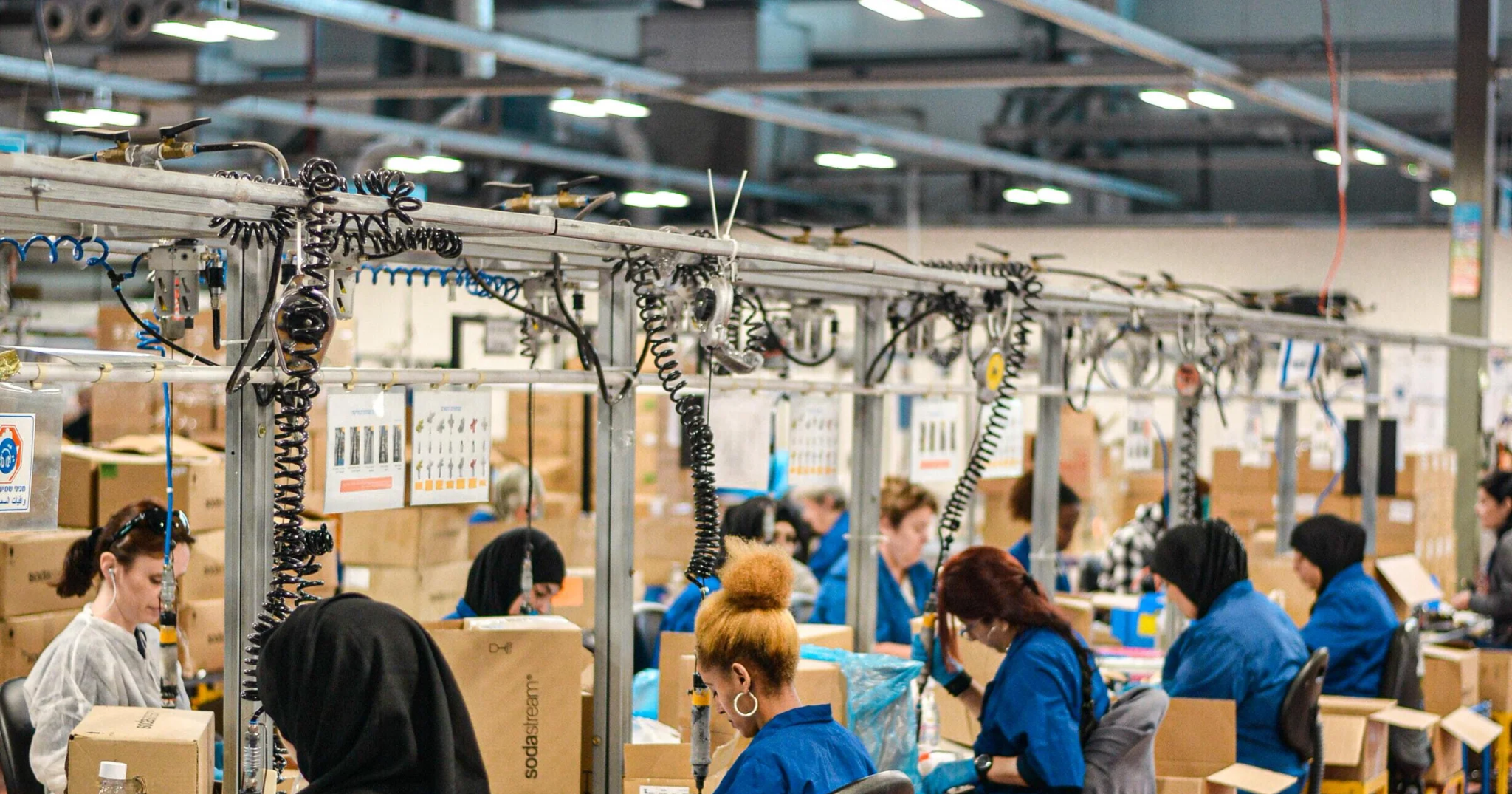
Producing one unique product at a time according to customer requirements. Each product is customized and often requires skilled labor. Examples: tailor-made clothing, custom furniture, wedding cakes, architectural projects.
Characteristics: High customization, skilled workers, small-scale production, higher cost per unit, longer production time.
Advantages: Meets specific customer needs, high-quality craftsmanship, flexibility in design.
Disadvantages: Expensive production costs, time-consuming, difficult to automate.
Batch Production
Producing groups of identical products together. After completing one batch, the production process switches to another batch. Examples: bakeries producing batches of bread, clothing factories producing seasonal collections, pharmaceutical companies producing medicine batches.
Characteristics: Products made in groups, equipment may need adjustment between batches, medium level of customization.
Advantages: More efficient than job production, allows variety of products, lower cost per unit compared to job production.
Disadvantages: Production delays during changeovers, storage costs for batches, planning complexity.
Flow Production (Mass Production)
Producing large quantities of standardized products continuously. Products move along an assembly line where each worker performs a specific task. Examples: car manufacturing, electronics production, bottled beverages, fast food chains.
Characteristics: Continuous production process, high automation, standardized products, high capital investment.
Advantages: Very low cost per unit, high efficiency, large-scale output.
Disadvantages: Limited product variety, expensive machinery, difficult to change design.
Operations managers must choose the most suitable method depending on product type, demand level, and cost considerations.